
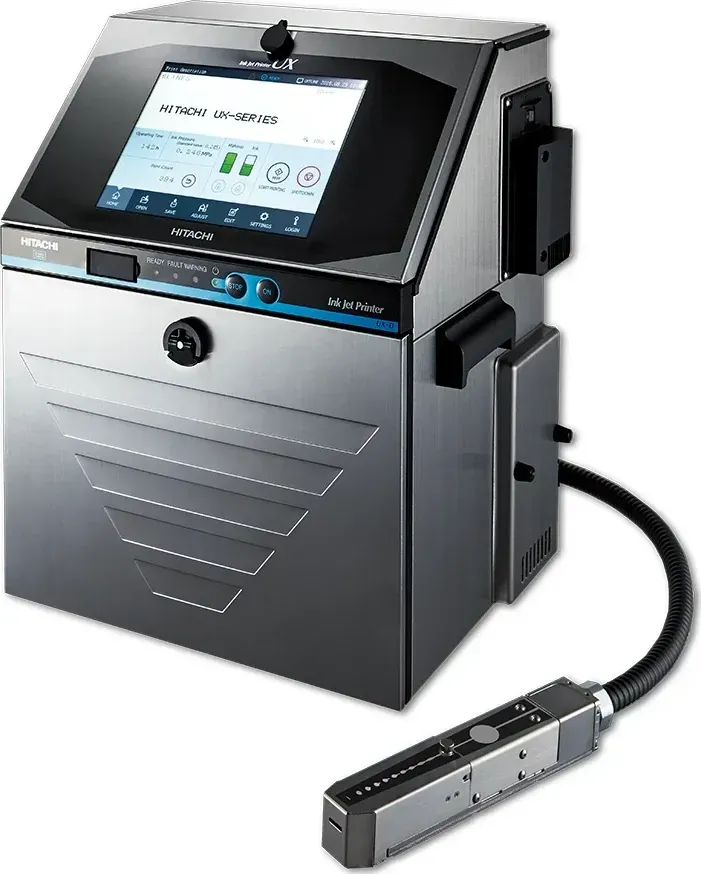
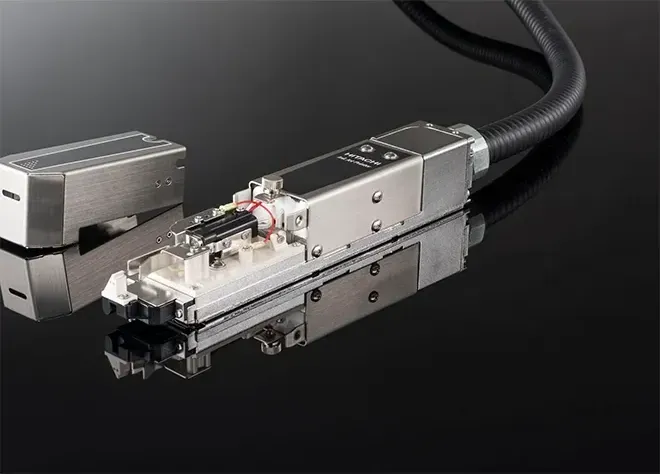
Hitachi UX-D151W
UX-D151W UXD151W D151W
Continuous inkjet (CIJ)
High-speed continuous inkjet printer with a 55 µm nozzle for faster line speeds.
The UX-D151W uses a smaller 55 µm nozzle than the standard D161W, trading some of the maximum character height (2–7 mm instead of 2–10 mm) for higher line speed — suited to faster-moving packaging lines that don't need the largest character sizes. It still prints up to 4 lines and 1,000 characters.
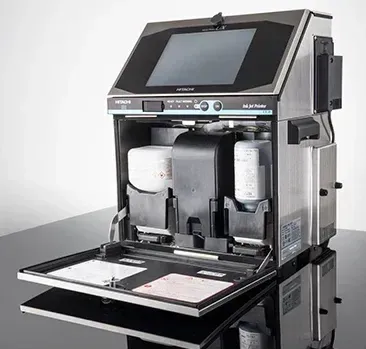
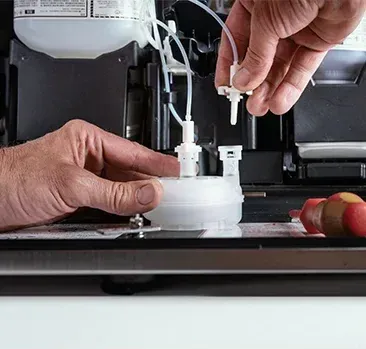
Like the D161W and P161W, the D151W supports Hitachi's optional Software Defined Controller for a direct bridge to ERP/MES systems, and carries the same IP65 rating, full Ethernet connectivity (Modbus/TCP, EtherNet/IP, OPC-UA), intelligent fluid cartridges and tool-less filter replacement as the rest of the UX Series.
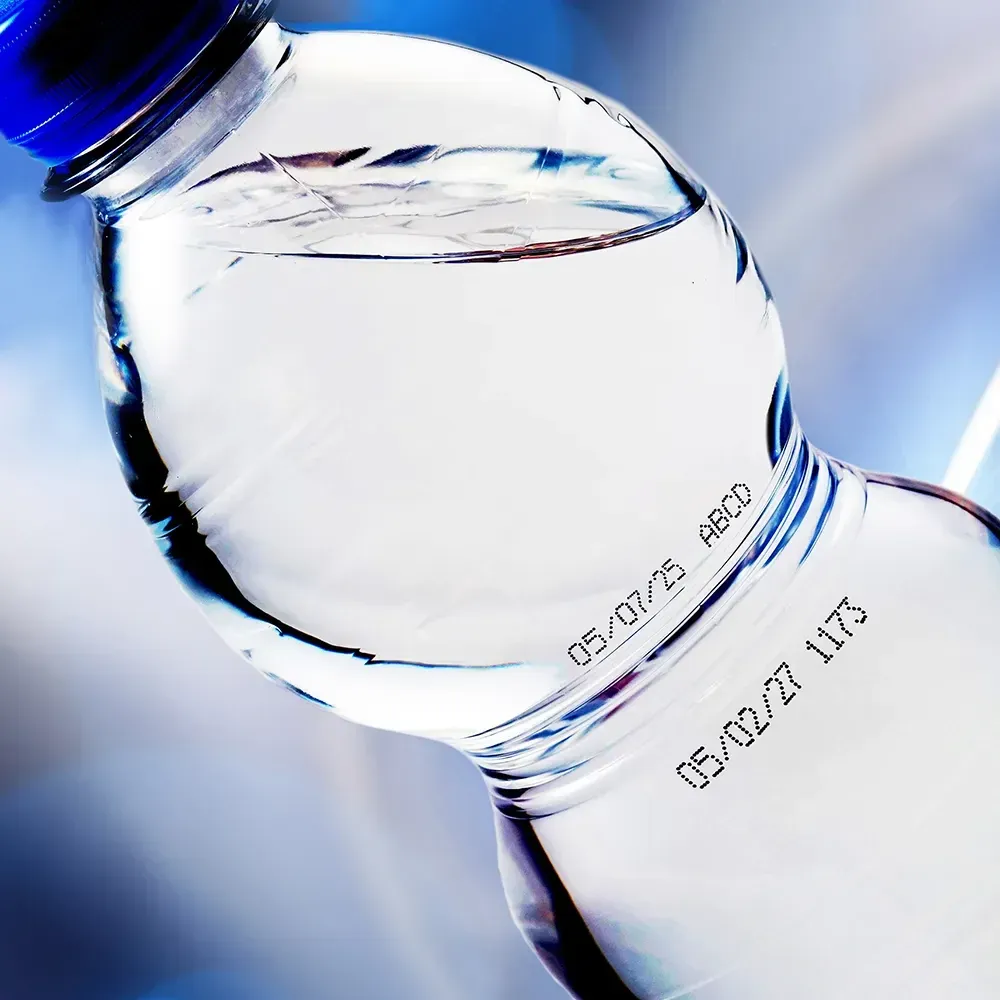
Day-to-day running is designed around the operator: fluids load from sealed smart-bottle cartridges that drain completely into the reservoir, so nothing spills and nothing is wasted; ink viscosity is corrected automatically as the temperature changes; and the 10.4-inch touch screen shows fluid levels, gives preventive-maintenance warnings and guides routine tasks in the operator's own language. Parts are replaced when they actually need it rather than on a fixed timer, so the printer is never stopped for a forced scheduled service. Typical uses: date and lot codes on fast bottling, canning and filling lines, where line speed matters more than character size.
Specifications
| Print height | 2–7 mm |
|---|---|
| Printheads | 1 |
| Ink types | dye |
| Solvents | mek |
| Code types | logos, best-before dates, barcodes, lot numbers, data-matrix codes |
| Interfaces | Ethernet (IEEE802.3, 100BASE-T), Modbus/TCP, EtherNet/IP, OPC-UA, USB (message backup) |
| IP rating | IP65 |
| Compressed air | Not required |
Configurations
| Code | Note |
|---|---|
| UX-D151W · Standard | 55 µm — high speed — 55 µm nozzle, up to 4 lines, up to 1,000 characters, 2–7 mm character height. Supports optional Software Defined Controller. |
Factory options
- Software Defined Controller (SDC) — direct bridge to ERP/MES systems
- RFID recognition for ink/make-up bottle identification (not available in all countries)
- IC card login and print-data selection
Documents
- Hitachi UX Series brochureBrochure · ENRequest it
We send the documents by email: choose the ones you need and send the form below.
Videos
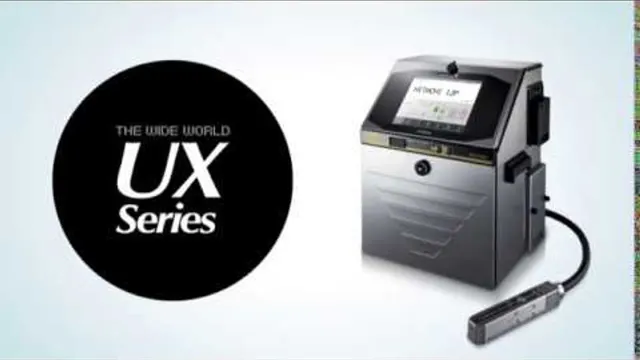 Play video: Hitachi UX Series — Industrial inkjet printer
Related consumables
Accessories
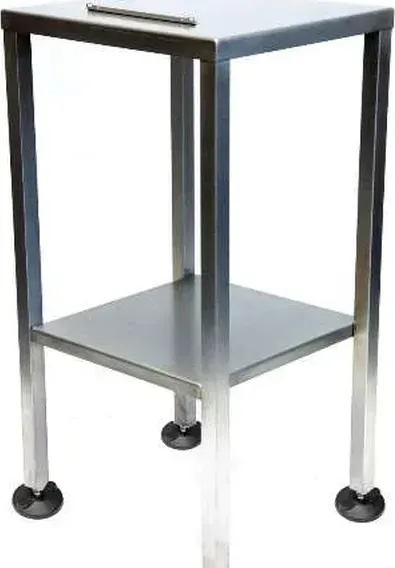
Hitachi CIJ printer table
A stainless table that puts the printer at working height next to the line.
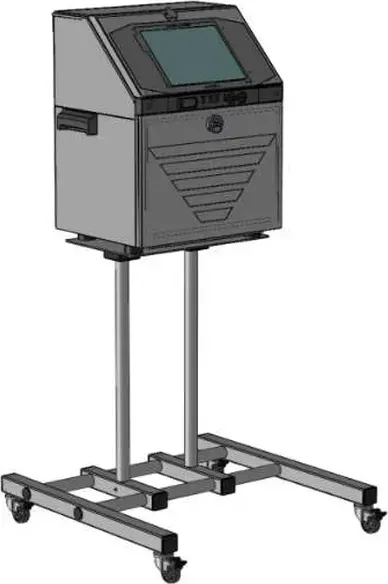
Hitachi CIJ mobile stand
A wheeled stand that carries the printer — and, with the holder, the printhead too.
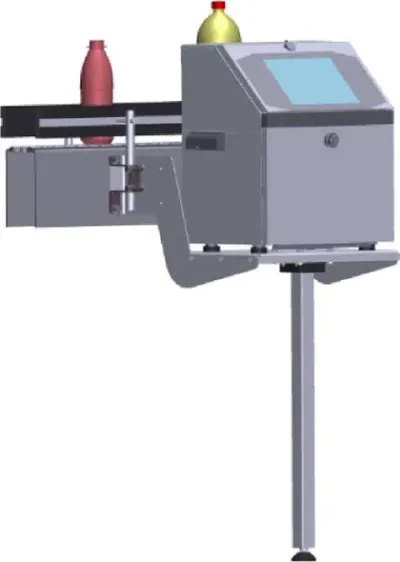
Hitachi UX printer conveyor holder
Mounts the printer itself on the conveyor, so it needs no floor space.
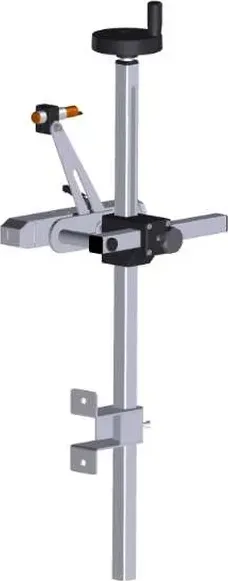
Hitachi CIJ printhead holder kits
Complete kits that place the printhead exactly over or beside the line.
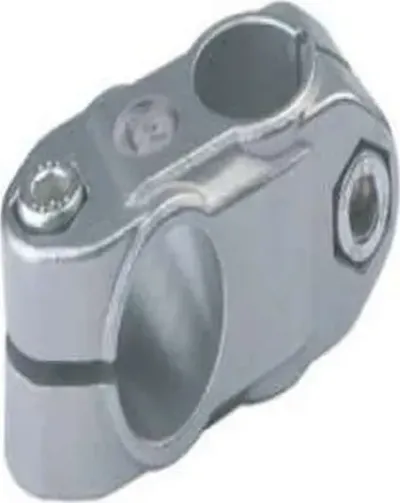
Hitachi CIJ tube and clamp system
Stainless tubes and clamps to build a printhead mount to your own design.
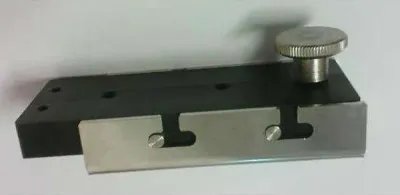
Hitachi CIJ printhead quick-release clamp
Takes the printhead off and puts it back in seconds, in exactly the same place.
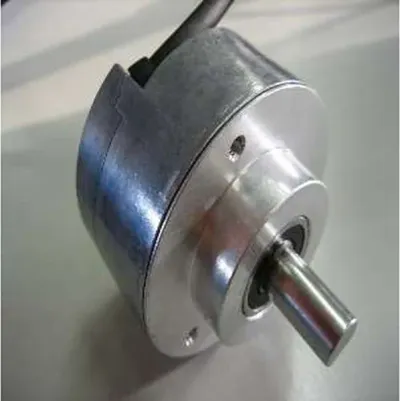
Hitachi CIJ programmable encoder
Synchronises the print with the conveyor, so codes keep their width at any speed.
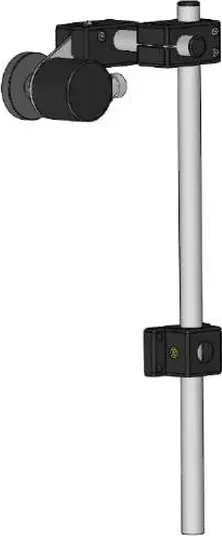
Hitachi CIJ encoder mounting kits
Ready-made mounts that hold the encoder against the belt or on a shaft.
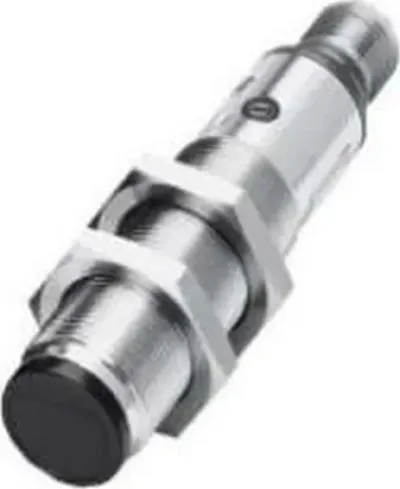
Hitachi CIJ product sensors
Tell the printer when a product arrives, so every code starts in the same place.
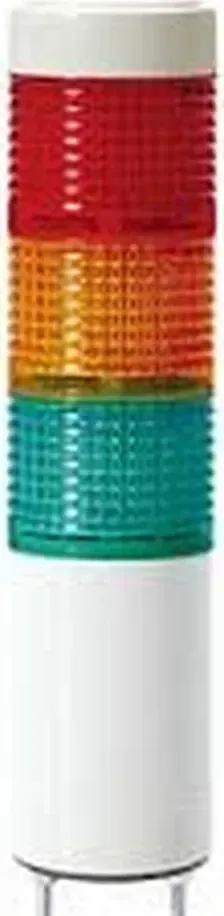
Hitachi CIJ signal tower
Red, yellow and green status light that can be seen from across the hall.
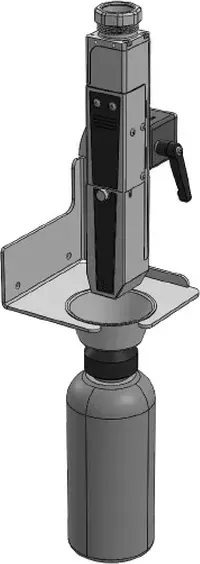
Hitachi CIJ printhead cleaning station
A safe, tidy place to clean the printhead, with the used solvent collected.
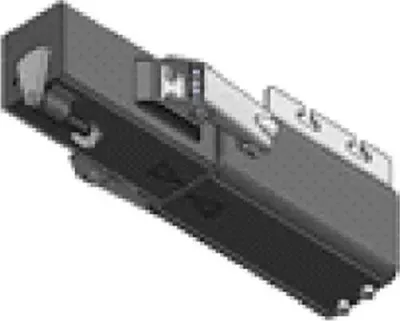
Hitachi UX washdown printhead kit
Protects the UX printhead where the line is hosed down.
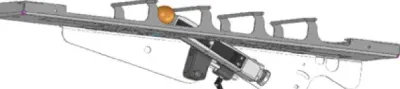
Hitachi UX printhead holder for eggs
Holds the UX printhead over the egg conveyor to mark each egg.
Compatible software
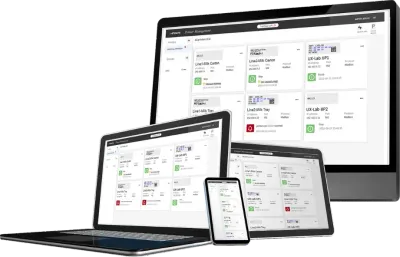
Hitachi Coding Software Suite (HCSS)
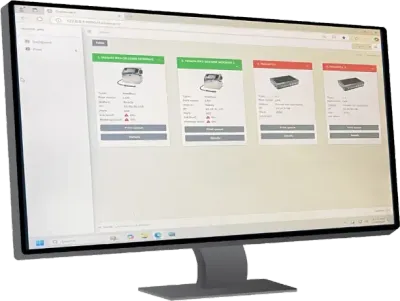
Browser-based platform to design messages for, control and monitor Hitachi CIJ printers from one place.
Hitachi Printing Software (HPS)
One configurable system for every print job in the plant — primary, secondary and tertiary — with one message designer for all printers.